Spirulina is s nutrient rich blue-green algae [cyanobacteria] commonly consumed as a dietary supplement. It grows naturally alkalines lakes and is also cultivated commercially around the world. Spirulina is available in powder , tablet and flake forms.
It has been used for decades as a health supplements because of its high protein content and concentration of vitamins, minerals, antioxidants, and plant compounds.
Nutritional profile
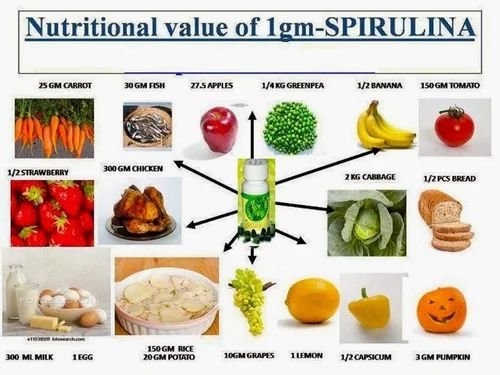
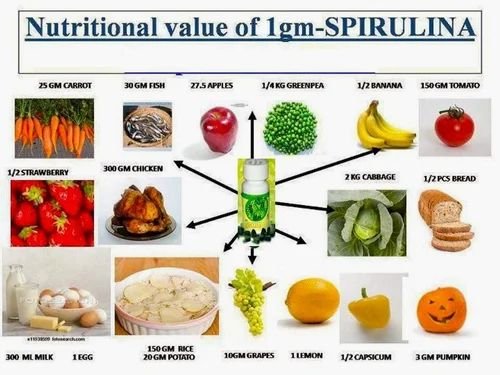
Spirulina is often called a superfood because it contains;
- Protein;Around 55-70% protein by dry weight.
- Iron
- B Vitamins (especially B1, B2 and B3)
- Copper
- Magnesium
- Potassium
- Antioxidants (especially phycocyanin)
- Essential amino acids
- Chlorophyll
One tablespoon of spirulina powder typically contains;
- 20 calories
- 4 gram proteins
- Small amount of healthy fats
- Multiple micronutrients
potential health benefit
1. Rich in antioxidants
Spirulina contains phycocyanin, a powerful antioxidant that may help protect cells from the oxidative stress and inflammation.
2.Supports immune function.
Some studies suggest spirulina may help stimmulat immune active and improve the body is neutral defence mechanisms.
May help lower cholesterol
Research indicates spirulina may;
- Reduce LDL( bed) cholesterol
- Increase HDL (good) cholesterol
- Lower triglycerides
May improve energy levels
Because of its nutrient density and iron content , many people use to spirulina support energy and reduce fatigue .
3 Support muscle recovery

Athletes sometime use spirulina because antioxidants may help reduce exercise related oxidative damage.
4. May help blood sugar control
Sometime study show spirulina could help improve insulin sensitivity and lower fasting blood glucose level.
6. How to use spirulina
poweder
can br mixed into;
- Smoothies
- juices
- yogurt
- protein shakes
- Energy balls
Tablet or capsules
convenient for daily supplementation
Popular daily dosage
Typically dose range frim;
- 1-3 grams/day for general wellness
- Up to 10 grams/day in some studies
It is best to start with a small amount and increase gradually.
Who should be careful?
People with the following conditions should consult a healthcare professional before use;

- Autoimmune disorders
- phenylketonuria [pku]
- Sever allergies
- pregnancy or breastfeeding
- people taking blood thinners or immune related medications.
- Any Digestive disease
Conclusion
Spirulina is a highly nutritious algae supplement know for it’s protein , antioxidants, and micronutrients. While research on some health claim is still developing, remain popular for wellness, energy , sport and nutritional supplementation . Chosing high quality tested byproduct is important for saftey and effectiveness.
.\Thank you so much subscribe the website for more related fitness and health completely free/.
Leave a Reply